της Δήμητρας Ιωάννου / by Dimitra Ioannou

ΑΠΟ ΤΟ «ΨΕΥΤΙΚΟ» ΜΕΧΡΙ ΤΟ ΝΑ «ΑΦΗΣΕΙΣ»
ΙΑΝΟΥΑΡΙΟΣ-ΜΑΡΤΙΟΣ 2010
KEIMENΟ-ΠΗΓΗ: Σενάριο της ταινίας του Toshio Matsumoto «Η πένθιμη παρέλαση των ρόδων».
ΠΕΡΙΕΧΟΜΕΝΑ:
• Το σενάριο «Στο ναό με τις λυπητερές ιστορίες» της Δήμητρας Ιωάννου σε σύνδεση με την λέξη «ψεύτικο»
• Το φωτογραφικό δίπτυχο «Είναι τριαντάφυλλο ή είναι καθρέφτης» της Κατερίνας Κωστή σε σύνδεση με την λέξη «οφθαλμαπάτη»
• Η φωτογραφία «Οταν ο έρωτας (σου) ήταν πράσινος» του Αντώνη Κατσούρη σε σύνδεση με την λέξη «κήπου»
• Το κολλάζ «Queen» του Βασίλη Σαλπιστή σε σύνδεση με την λέξη «κουίν»
• Το σχέδιο «Όμορφη Eddie» της Ειρήνης Καραγιαννοπούλου σε σύνδεση με την λέξη «όμορφο»
• Το εικαστικό έργο «Eddie» της Άνγκελα Μίβις σε σύνδεση με την λέξη «Eντι»
• Το εικαστικό έργο «Αφήνοντας» της Άνγκελα Μίβις σε σύνδεση με την λέξη «αφήνοντας»
∞
Το aglimpseof 02 αρχίζει με το σενάριο της ταινίας «H πένθιμη παρέλαση των ρόδων» του Toshio Matsumoto (Τόκιο, 1969), ένα «μωσαϊκό» από διαλόγους, αναμνήσεις, συνεντεύξεις, σκέψεις, σχόλια, στίχους και αποσπάσματα, το οποίο φτιάχτηκε συνειρμικά για να δημιουργήσει μια ψυχεδελικά ασαφή αφήγηση. «Η ιστορία δεν ξεδιπλώνεται από το νήμα του γραμμικού χρόνου», τονίζει ο ίδιος ο Ματσουμότο στον σχολιασμό του για την ταινία που περιλαμβάνεται στην έκδοσή της σε DVD από την Eureka!/Masters of Cinema (http://www.eurekavideo.co.uk/moc/).
«Το θέμα των δυσδιάκριτων περιγραμμάτων γίνεται κεντρικό μοτίβο της ταινίας -το γεγονός ότι οι διαχωριστικές γραμμές δεν καθορίζονται, και τα πράγματα διατυπώνονται με ασάφεια. Με άλλα λόγια, τα πράγματα διακρίνονται από τις οριακές τους γραμμές, κι αυτό το σύστημα του διαχωρισμού των πραγμάτων μέσα στον κόσμο δημιουργήθηκε εξ ολοκλήρου από τους ανθρώπους. Αυτό σημαίνει ότι όταν τα μέτρα και τα κριτήρια που επιβάλλονται στον κόσμο δεν είναι τόσο ακριβή, θολώνει ο τρόπος με τον οποίο τον αντιλαμβανόμαστε. Έτσι αντικειμενικότητα και υποκειμενικότητα, αρσενικό και θηλυκό, μυθοπλασία και πραγματικότητα, όλοι αυτοί οι ορισμοί, μπερδεύονται. Φαντάζομαι πως αντιλαμβάνεστε ότι το ζήτημα εδώ είναι ότι στην εποχή που ζούσαμε ο κόσμος τον οποίο είχαμε προσαρμόσει στις ιδέες μας, δεν έμοιαζε πια τόσο σταθερός και μονοδιάστατος. Υποθέτω ότι θα μπορούσαμε ν’ αποκαλέσουμε αυτή την ασάφεια, αυτή την σύγχυση ένα είδος ρίξης με τον κόσμο.»
ΥΓ. Οι αστερίσκοι χρησιμεύουν για να ξεχωρίσουν οι σκηνές ―μικρά αποσπάσματα χωρίς χρονολογική σειρά τα οποία μπορούν να διαβαστούν και αποσπασματικά αν βρίσκετε το κείμενο πολύ μεγάλο (που είναι).
∞
Είμαι η πληγή και το μαχαίρι, το θύμα και ο φονιάς του είμαι συγχρόνως.1
– Ωραία μέρα σήμερα.
– Έχει πολύ φως.
– Εντάξει έτσι;
– Ναι. Δεν μ’ αρέσει ήλιος.
– Είσαι σαν κουκουβάγια.
– Ω, όχι. Μου το πετάς;
– Σ’ αρέσουν οι μύες μου;
– Μπορείς να σηκώσεις την καρέκλα;
– Φυσικά.
– Μπορείς να μου κλείσεις το φερμουάρ;
– Πώς είμαι;
– Όμορφη, Έντι.
– Προτιμάς τα μαλλιά μου κάτω ή πιασμένα;
– Όπως να’ ναι.
– Δεν θέλω να σ’ αφήσω.
– Μην παρατήσεις το μπαρ.
– Πρέπει.
– Δώσε μου χρόνο. Θ’ αναγκάσω τη Λίντα ν’ αφήσει το μπαρ. Και μετά θα είσαι εσύ η ιδιοκτήτρια.
– Θα θέλει να εκδικηθεί με τα ναρκωτικά.
– Ανάθεμά τη Λίντα!
*
– Θέλεις ένα τσιγάρο;
– Αυτή ήταν η Λίντα.
– Όχι.
– Ήταν.
– Μην κοιτάς πίσω.
– Μας παρακολουθούσε;
– Ανοησίες!
– Αλλά ήταν η Λίντα.
– Τι θα κάνει;
– Τίποτα.
– Φοβάμαι.
– Ανάθεμά τη Λίντα! Αν κάνει κάτι περίεργο…
– Μην πεις τίποτ’ άλλο.
*
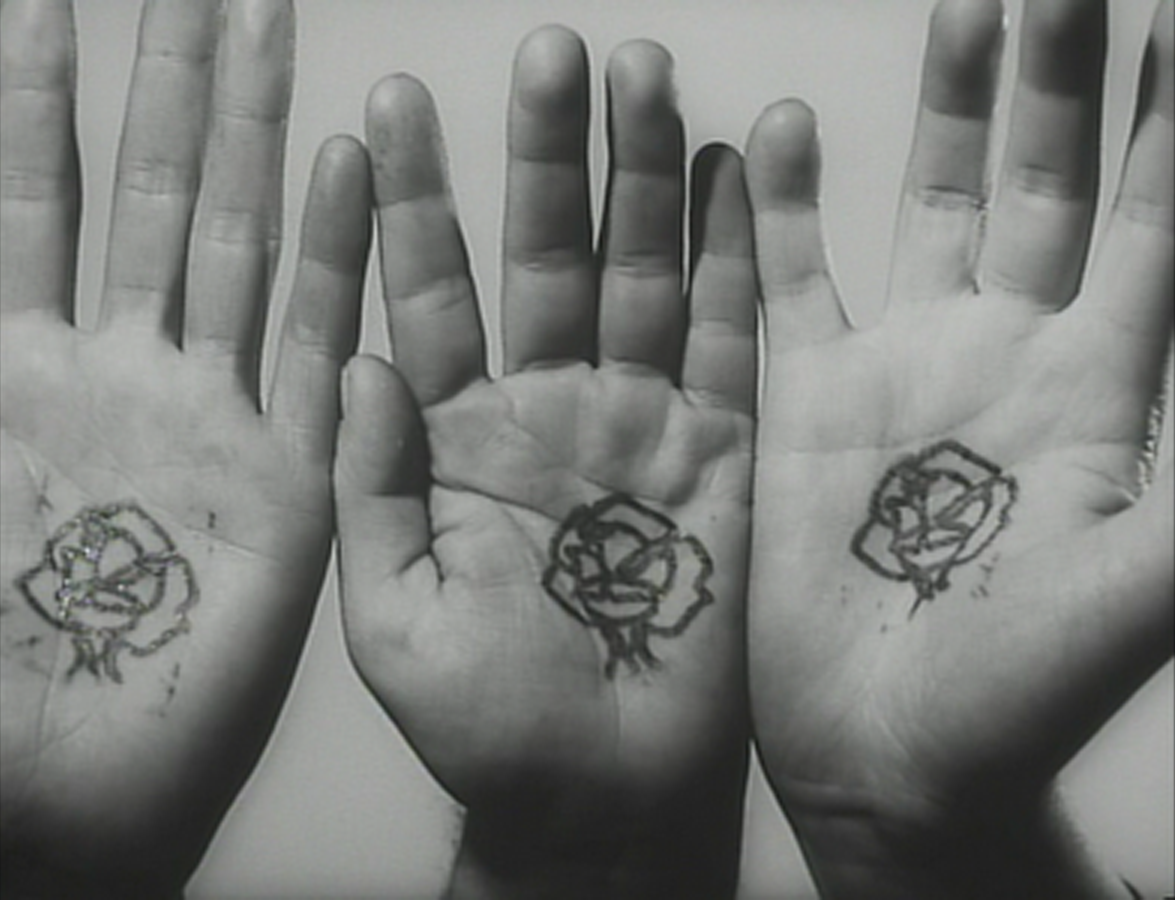
– Το χέρι σου. Όλοι τα χέρια σας, παρακαλώ!
– Τι είναι;
– Άνοιξε το χέρι σου.
– Τι είναι αυτό;
*
Continue reading “aglimpseof 02 . Η ΠΕΝΘΙΜΗ ΠΑΡΕΛΑΣΗ ΤΩΝ ΡΟΔΩΝ”
FROM “DESERTING” TO “ARTIFICIAL”
JANUARY-MARCH 2010
SOURCE TEXT: The script of the movie Funeral Parade of Roses by Toshio Matsumoto.
CONTENTS:
• The scenario At the temple of sad stories by Dimitra Ioannou is linked to the word “fake”
• The photo Is it a rose or is it a mirror? by Cateryna Kosty is linked to the word “mirage”
• The photo When (your) love was green by Antonis Katsouris is linked to the word “garden”
• The collage Queen by Vassilis Salpistis is linked to the word “queen”
• The drawing Beautiful, Eddie by Irini Karayannopoulou is linked to the word “beautiful”
• The image Deserting by Angela Mewes is linked to the word “deserting”
• The image Eddie by Angela Mewes is linked to the word “Eddie”
aglimpseof’s second issue begins with the script of the movie “Funeral Parade of Roses” by Toshio Matsumoto (Tokyo, 1969); a“mosaic” of dialogues, recollections, interviews, thoughts, comments, lyrics and quotations that was made by free association so as to create a psychedelically blurred narration. “The story doesn’t unfold along a single strand of linear time”, as Matsumoto himself points out in his commentary track which is included on the DVD release of the film by Eureka!/Masters of Cinema (http://www.eurekavideo.co.uk/moc/).
“The theme of blurred outlines becomes a central motif in the film. The fact that boundary lines are not delineated and that the definition of things is unclear. In other words, things are separated down the middle by boundary lines and this system of demarcating various things in the world was created entirely by human beings. So this means that when the standards and criteria imposed on the world become less exact, our way of looking at the world becomes more blurred. Therefore, objectivity and subjectivity, male and female, fiction and reality, all these definitions become blurred. I think you can understand the issue here is that we were in an era when our world which has been adjusted to fit according to our ideas no longer seemed so fixed and inflexible. I suppose we could call this vagueness, this haze a kind of fissure in the world.”
PS. The asterisks are used to indicate the scenes; tiny fragments with no chronological order that you may read in a fragmented way if you find the text too long (which is).
I am the wound and the blade, both the torturer and he who is flayed.1
– It’s a beautiful day.
– It’s too bright.
– Is that OK?
– Yes. I don’t like the sun.
– You’re like an owl.
– Oh, no. Pass me that.
– Do you like my muscles?
– Can you lift the chair?
– Of course I can.
– Can you do my back up?
– How do I look?
– Beautiful, Eddie.
– Do you like my hair down or up?
– Either way.
– I hate to leave you.
– Don’t quit the bar.
– I have to.
– Give me time. I’ll make Leda quit the bar. Then you’ll be the proprietress.
– She’ll want revenge over the dope.
– Damn Leda!
*
– Do you want a cigarette?
– That was Leda.
– No.
– It was.
– Don’t look back.
– Was she following us?
– Nonsense!
– But it was Leda.
– What will she do?
– Nothing.
– I’m scared.
– Damn Leda! If she acts funny…
– Don’t say anymore.
*
– Your hand. Everybody, your hands, please!
– What is it?
– Open your hand.
– What’s this?
*
– You look exactly like a girl. How long have you been a queen?
– For four years.
– Why did you decide to become a queen?
– I wanted to be a girl. I like it.
– You like girls?
– No, I like to behave like one.
– Does it satisfy you?
– Well, I’m very happy now.
– Will you become a “man” again?
– I don’t think so.
– Will you become a transsexual?
– No, I won’t go that far.
*
– How long have you been gay?
– Since last December.
– How come?
– I like it.
– You like what?
– Being gay.
– Gay? You mean you like men?
– Not exactly. I can’t tell. I like gays, that’s all.
– Being a queen?
– Yes.
– How come?
– I was born that way.
– Born?
*
– Hello! It’s been a long time.
– What a great place.
– I was so tired.
– Too much sex!
– Do you know what this is?
– What is it?
– As if you didn’t know.
– Oh, no! You’re embarrassing me.
– Watch!
*
– Things have changed.
– In this area, yes. You’re so right.
– It was good in Akasaka.
– The good old days!
– This is the Madame.
– Beautiful! Wonderful!
– Telephone for you.
– Excuse me.
– Hello? Mr Iida? Where are you? The Jardin? Come over here. I’ll be waiting. See you later.
Mirror, mirror, on the wall, who is the fairest of them all?
– You’re late.
– I’m sorry.
– Glad you could make it. She’s got a nerve.
– By the way, did you bring it?
*
– Where to, Tony?
– Hey, what’s up? Hey, were are you going?
*
– Steady! No. All right, cut!
– I’ll do it.
– Take it easy.
– You arse! Leave it to me. Move it, you lot. Slowly. OK?
– No.
– This is as good as I can make it.
– It’s no good.
– Damn it!
– Good! It’s OK.
– I’m talented!
– Hardly!
– Don’t move!
– Yeah, that’s it.
– Cut! That’s all.
– We’ve 20 feet left.
– Want a cigarette?
– Keep it.
– I want to smoke marijuana.
– Eddie’s not here.
– Burn banana peel.
– That doesn’t work.
– I have two pills.
– Give them to me!
– Only two.
– Eye lotion helps.
– Drink it!
*
– They look weird!
– He looks good!
*
Funeral Parade of Roses
*
– She’s shameless, that girl! She makes me mad.
– Don’t worry. Young people nowadays think differently.
– You’re just encouraging them.
– Don’t be critical or no one will work with you.
– But Eddie has bad manners. All she knows is how to flirt.
– Times have changed.
– But queens should have pride, too. We must respect ourselves. Ouch.
– What’s wrong?
– I cut my leg. I’m bleeding. Look. Ouch.
– It’s like a mosquito bite. You’re all right now. Don’t get hysterical.
– I’m sorry. I was anxious.
– What about?
– That you’d desert me.
– You’re being stupid.
– You won’t?
– Never.
– Who do you like better, me or Eddie?
– You, of course.
*
– Let’s have some fun together.
– Come on.
– What’s wrong?
– Nothing.
– Are you alone?
– Yes, but I’m all right now.
– How about a drink with me?
– Come and keep me company.
*

“Every man has his own mask which he has carved for a long time. Some wear the same masks all their lives, others use a variety of masks. Some masks stress the features others are far from their original. Some are poor and easily distinguishable others are so skilfully made, they’re hardly distinguishable. People always wear masks when they face each other. They see only masks. Even if they remove their masks their faces seldom expose themselves. Because there may be second masks. And even third masks hidden under the first ones. Therefore, people often take your masks for you. And you take theirs for them. The objective of love and hatred may be the masks. Faces suffer loneliness. People try to escape from it and make new masks.”
*
– Hey, taxi, taxi!
– Where are we going?
*
– Look, Guevara. Do you want this?
– Thread it through.
– OK.
*
What a sly, mysterious scheme!
*
– Cut! Oh, wait. OK. OK!
– You don’t need the microphone.
– Next, an interview with Rabbit.
– An interview? We only have 20 minutes left. Only 20 minutes.
– Let’s have an interview with Rabbit.
*
– Do you like the love scene?
– Yes.
– A man loves a man. As a queen, what do you think? Don’t you feel guilty?
– Well, you can love a man, as well as a woman. If you’re in love, it makes no difference.
– Do queens have no interest in girls as sex objects?
– There are various types. I can’t say yes or no.
– Are you more interested in men or in women?
– Me personally?
– I mean generally.
– Generally, yes. They tell themselves they’re women.
– How about you?
– Me? You can guess.
*
Please don’t smoke/your cigarettes in bed./If you truly love me/please just turn out the lights./Let’s close our eyes./And dream sweet dreams./Your sighs say more to me/than any words could./Tonight we will be together/once again./Please don’t smoke/your cigarettes in bed, will you?
– Do you know “NHSMC”? Nihon Homosexual Men’s Club.
– Where is it?
– In Minami-cho. There’s a party every week. The members bring handsome boys.
– I read about it in the paper.
– No, it’s in Akasaka.
– Really?
– You mean the secret club for homosexuals?
– There’s a lot of them.
– There are many impersonators, too.
– Impersonators?
– They pretend to be gay.
– They can earn more that way.
– Don’t look at us like that. We’re the genuine article!
– Some detectives are here.
– Detectives?
– Eddie… Do you know him?
– Who?
– He’s called Yagawa.
– He’s missing.
– Never seen him.
*
– It was 12 years ago today. You don’t remember.
– Forget about father. You have me.
*
– This is so delicious.
– How nice!
– That’s pretty!
– It’s expensive.
– It could be a present for me.
– A patron?
– Yes.
– Old news.
– I didn’t know.
– Excuse me.
– Me, too.
Board of Film Censorship/15877
*
– What good is she? She’s just a loafer.
– Come, come.
– Nothing is any good.
– Watch out. I understand. Go to bed.
– Promise me you’ll fire Eddie, or I won’t move.
– You’re impossible. Eddie is the number one girl at Bar Genet. Customers come to see her. Remember that.
– You’re in love with her. Say so.
– Stop being stupid! You’re always complaining.
– You rat! Are you a man?
-“Are you a man?” That’s a question I should ask you. I’ll make one thing clear. If anyone has to quit, it’s you, not her.
– I understand. Try to fire me, if you can. I’ll expose your secret business.
Then, you don’t love mankind?
– Don’t desert me!
– I’m not kidding!
No, I hate it.
*
– Damn Leda! If she acts funny…
– Don’t say any more. Stop! Please stop.
– What’s up?
– I feel sick. Let me get out.
– Don’t be nervous, Eddie. I’ll take you home.
– I need some fresh air.
– Are you all right? I’ll call you later.
*
– They look weird.
*
– So, what do you think of it?
– I don’t know.
– My ears are humming.
– I’ve never seen anything like it before.
– Unplug the speakers.
– It’s very “underground”, isn’t it?
– Kind of…
– You look surprised.
– I am.
– “All definitions of cinema have been erased. All doors are now open”, Menas Jokas.
– Jonas Mekas.
– Of course.
– But you must feel something with your body.
– It’s intoxicating.
– Really? I prefer real drugs.
– Good! It’s time for some.
– No.
– Oh, pot!
– Good!
– No!
– Don’t push me.
– Two for me.
– Two. No credit.
– Don’t be stingy!
– For you, Piro?
– One.
*
– How much marijuana have you smoked?
– I’ve smoked a lot. I smoke heavily.
– How do you feel when you smoke it?
– I feel like I’m floating up from the chair. That’s how I feel. Like a chair on a rock. Do you know that feeling? A chair on a rock. It’s not too hard to touch. I’m floating up from my bed… That kind of feeling. I want that feeling again. I want more of it.
– Have you ever smoked marijuana?
– No.
*
– Have you ever done drugs?
– I do them all the time.
– What kind of drugs?
– Minahai and Norumo. When I’m out of that I take Maruso and Donton.
– How do you feel?
– Well, my senses become paralysed. I become psychologically idle, that’s all.
– Well, I find myself in a state of mind where I can’t see myself.
– Something like a state of ecstasy?
– Not like ecstasy, or anything. When I take it too much I don’t even remember that I’ve taken it. I don’t feel like I exist, but still I hear later on that I was moving around, and did many things. It’s an interesting experience.
– What are you looking for from that experience?
– I’m not looking for anything. It’s meaningless.
– How did you get yourself caught up in this habit?
– Well, it’s like alcohol, but it’s easier to take than alcohol.
*
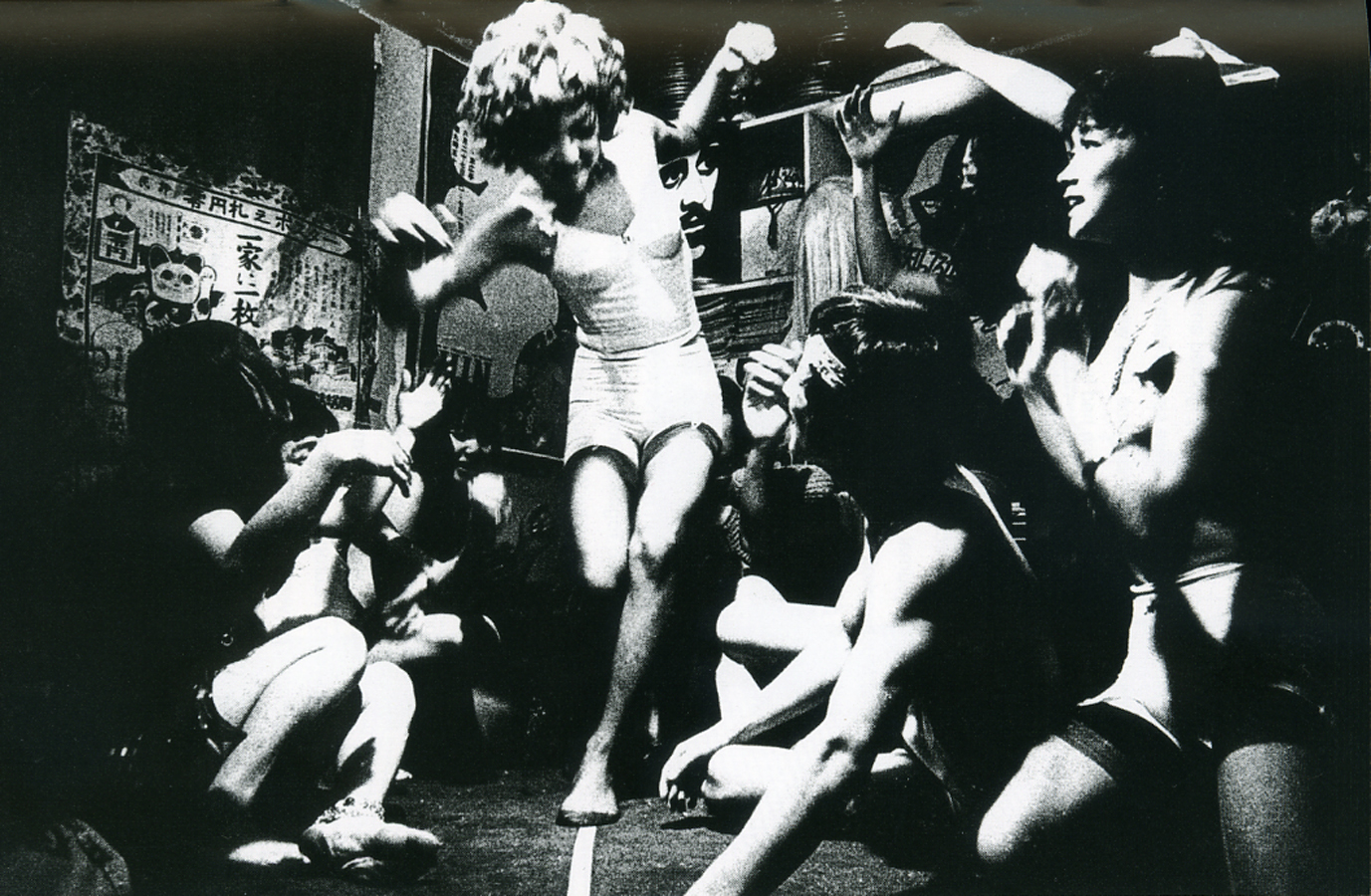
– Stop it! You’re tickling me!
– You’re next!
– Try your best!
– The top or the bottom?
– You’re a glamorous type!
– Guevara, go for it!
– See, I told you I could!
– Take off your shirt!
– Get off me! I’ll do it!
– What a dirty vest!
– Eddie’s next.
– Me? No.
– Try harder, Eddie.
– Strip!
– Not yet. Take these off first.
– “The first chapter has ended. I’ll leave you and go on my next trip.”
*
Roses. Oh, the empire of roses!
*
– Good morning!
– Hello!
– Let’s go to the beauty parlour.
– Just give me a minute.
– OK.
– I’ll put my make-up on.
– These look delicious. Can I have one?
– Of course you can.
– It looks nice.
– Oh, no, you’re imagining things.
– You are.
– We both have bad imaginations. Have you sinned?
– It was a laugh. I ate at the Kamehachi last night. A boy who sat beside me asked for a date. He invited me to a hotel. I had a few drinks and then I went to the hotel with him. He was a masochist. He asked me to tie him up and step on him. He cried like a fur seal! He believed all the time that I was a girl. But I feel sorry for boys like him.
*
– You’re being naughty!
*
– Goodnight.
– Eddie, wait.
– You know what I want to speak to you about? Do you think that I can’t see what you’re up to?
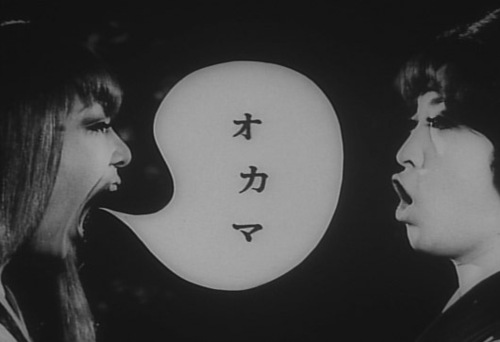
Badger!
Skunk!
Thief!
Stupid!
Fairy!
Whore!
Impotent!
Shit!
C**t!
– How dare you? Get out!
– Damn you!
*
“Behind the masks, faces suffer loneliness. People try to escape.”
– Is that you, Eddie?
– Eddie! Come on!
*
– I warned you, didn’t I? Don’t cry. This is the last bit.
– Will I’ll be all right for my birthday?
– Of course. They’re just scratches.
– Will you celebrate my birthday with me?
– Let’s go to the Imperial Hotel and have a big party.
– No, let’s have it in my apartment, just the two of us. I’ll decorate my room with flowers. Roses, of course. I’ll light candles as well. It will be wonderful.
*
– I’m scared. Everything’ s hazy.
– The outlines are always changing.
– I reach for something, but the next moment I see nothing.
– You’re not the only one.
– Can’t I see it as it really is? Or is it gone?
– Suppose it never was there.
– From the beginning?
– Yes, just like a mirage.
– What should I believe?
– I don’t know.
– It’s strange.
– What is?
– It’s like I’ve seen it before. But that’s impossible, right? It’s strange. Something is wrong with me. Can that happen?
– Watch out. Don’t run!
*
Father’s Return.2
*
Let the day perish wherein I was born...3
*
“…it may have an adverse effect on young people. Police headquarters today started an investigation into drug smuggling. As a counter plan, some commentators think it’s too little too late. That’s the end of the news.”
*
– That was Leda.
– No.
– It was.
– Don’t look back.
– Was she following us?
– Nonsense!
*
– Scum!
*
– I feel funny today.
– You’re just tired.
– I feel like “life” left me behind a long, long time ago.
– “A man spend most of his lifetime walking. But he isn’t always a walker. It’s possible that a man who walks little and hates to walk and is never good at walking is a walker beyond doubt.” Le Clezio, a writer, said that.
*
– You’re being naughty!
– No!
– Don’t! Don’t! Don’t! Don’t! Don’t! Don’t!
*
– Eddie! Eddie!
The road to sanctity is narrow.4
*
– Cut!
– What do you think about the hero?
– He and I have something in common. His father leaves him as a child. His way of living resembles mine. His character, too.
– His character? Do you sympathise with him?
– In the way that he lives, yes. But not in terms of incest, or things like that. But I do understand him.
– How did the role attract you?
– This is my first movie, and I’m very interested in it. My circumstances are similar to his. That’s one reason. And gay life is portrayed beautifully.
– And the love scenes?
– I just follow what the director says.
*
We demand the complete and unconditional withdrawal of all US forces from their bases in Japan!
*
– Do you know her?
– Only by sight.
– She doesn’t know me.
– That’s good.
– What do you want me to do?
– Be sure that you get her face.
*
– Who’s there? What’s wrong?
– The police are after me.
– You’re bleeding. Come here.
– I’m really grateful.
– You should go to a hospital.
– Did it hurt?
– No, I didn’t feel it.
– You’re lucky, your injury isn’t serious.
– Thank you.
– Why take part in a riot?
– To bring down the government.
– That still doesn’t justify violence.
– “What matters is not the admission of violence but the progressiveness of the violence. Αnd whether the violence will stop or whether it will last forever. In deciding, don’t judge crimes by morality. People use morality purely by mistake. Place crimes in terms of logic and dynamics and in history, where they belong.”
– I’m late. I must be going.
– I’m sorry to have troubled you.
– That’s all right.
*
-You’ re late.
– I’m sorry.
– Glad you could make it. She’s got a nerve.
– Hello. Sorry to have kept you waiting. Thanks. It’s all finished. Thanks to you, I have a good appetite.
*
– What are you looking at?
– What are you looking at?
– You’re looking for trouble, you fags!
– What did you call us?
– She called us fags!
– You are fags, aren’t you?
– You’re just common girls!
– Common girls!
– Men don’t like common girls.
– You dare to call us common? There’s nothing common about our gang tattoos! You see? Now, get them!
*
– Welcome home. How are they?
– Terrible!
– Are they hurt? Eddie, as well? I don’t want to lose her.
– No kidding! Stop acting! What did you ask Osumi to do for you? She confessed. Did you think that your lousy trick would work?
– Please listen to me.
– Shut up! I see. You mean you love me that much? Or you mean that you love running Bar Genet, not me?
– You’re cruel.
– Don’t cry. No tears for me. No, thank you. “Mirror, mirror, on the wall, who is the fairest of them all?” What a joke! You’re getting old. Your time is over.
– Just like that?
– You can’t blackmail me. There’s no evidence. Take your time and look for it.
*
The sun, a decapitated head.5
*
– Are you alone?
– No.
– Welcome. Come in.
– Do you like Akihiro Maruyama?
– I like Carousel Maki.
– I like Maruyama.
– Why?
– Because Maki is a transsexual. I’m sorry.
– How is your movie going?
– There are only a few more scenes to do.
– It’s tough on your first movie.
– Is it interesting?
– I’m not sure. It’s very unique though.
Awaiting your esteemed acclamation!
*
– Have you seen Leda?
– That’s strange. Juju sent for her.
– She’s late.
– Can we meet again?
– I don’t know. Vietnam is at war.
– Eddie, Juju is on the phone.
– Hello, it’s me. What?
*
– Roses were her favorite flowers.
– They had to be artificial, too.
– Thank you.
– Thank you, all. Come this way.
– The ground here is sinking.
– It’s true! Look at that.
– The graves are sinking!
– I wish the whole country would sink under water.
The end of the world is nigh.
*
– Guevara. What are you thinking?
– About the exit.
– What exit?
– “Now, from the open ceiling roses are falling, one after another. Spring! O unhappy spring!”
*

– Leave it there.
– Eddie… I mean Madame. That sounds funny.
– Why?
– What about this one?
– Let me see. Put it in the corner. Sir, throw this away.
– Goodbye.
– Good luck.
– Make sure to drop by again.
– Madame… Can I leave it here?
– Yes.
*
– What is your biggest dream? What do you want to do in the future?
– Well, I want to have some savings. I think I’d like to run a shop.
– A gay bar?
– Possibly.
– Will you live as a queen all your life?
– Yes.
– Don’t you think about marriage?
– I do, but I won’t get married. I can’t. I can’t be a “man”.
*
– What do you want to do in the future?
– Nothing in particular. Nothing.
– Nothing at all? No dreams?
– I am what I am.
– Are you happy living as a queen?
– I’m content.
– What are you going to do?
– Nothing.
– You have no ideas?
– …
– Are you happy now?
– Not very.
– No? Well, why don’t you stop being a queen?
– There’s no reason to.
*
Father’s Return
– Why don’t you take a bath?
– What is it?
“Frightening, isn’t it? The cursed destiny of man. What a mix of cruelty and laughter it is! Let’s look forward to the next programme. Goodbye, goodbye, goodbye.”
*
The spirit of an individual reaches its own absolute through incessant negation.6
NOTES
1. Τhis is a quotation from the poem “L’héautontimorouménos” (The Man Who Tortures Himself) from The Flowers of Evil by Charles Baudelaire. ― “Je suis la plaie et le couteau!/Je suis le soufflet et la joue!/Je suis les membres et la roue,/Et la victime et le bourreau!”, Les Fleurs du Mal.
2. A book by Kan Kikuchi (1888-1948). Kikuchi established the publishing company Bungei Shungu and the famous Akutagawa prize for emerging writers.
3. Τhis is a quotation from The Book of Job.
4. Jean Genet.
5. Lines of the poem Les Fiançailles by Guillaume Apollinaire. ― «Il vit decapité, sa tête est le soleil / Et la lune son cou tranché.», (Le dossier d’ “Alcools”, 1913).
6. Τhis is a quotation from René Daumal (1908-1944).
The Funeral Parade of Roses has been released on DVD by Eureka!/Masters of Cinema (http://www.eurekavideo.co.uk/moc/)
I am an old boudoir full of withered roses.¹
– You won’t desert me, will you?
– Never.
– Would you please pretend that you don’t lie?
– Don’t talk nonsense!
– Who do you like better, me or Eddie?
– You, of course.
– Would you set on tears if I start to cry?
– You’re exaggerating.
– Never desert me.
At the mercy of black passion.
– Do you like to sing?
– A lot. When I hold the microphone all the world is mine.
– What do you feel when you are singing?
– I am happy. It’s like being transfered to another dimension; like living a Cosmic moment.
– Would you sing something for us?
– Of course.
Would you take me to your arms once again? / We have enough time. / I’ll close my eyes for a while. / Please hold my hand. / Do you hear? The rain makes such strange sounds here. / Would you take me to your arms till I fall asleep? / Yes, together for ever. / Please hold my hand.
Are idylls the opposite of decadence?
*
“the beauty was never completed in any single detail of the temple: for each detail adumbrated the beauty of the succeeding detail. The beauty of the individual detail itself was always filled with uneasiness. It dreamed of perfection, but it knew no completion and was invariably lured on to the next beauty, the unknown beauty. The adumbration of beauty contained in one detail was linked with the subsequent adumbration of beauty, and so it was that the various adumbrations of a beauty which did not exist had become the underlying motif of the Golden Temple. Such adumbrations were signs of nothingness, nothingness was the very structure of this beauty.”²
*
At Linda’s apartment. She brings her birthday cake. She puts it on the coffee table and tidies up the room. She wears a wig with white roses.
The energy that exists inside a dream until it is destroyed.
– Welcome home.
– I know what you did.
– I don’t want to loose you.
– Don’t cry. No tears for me. No, thank you. “Mirror, mirror, on the wall, who is the fairest of them all?” What a joke! You’re getting old.
– You’re cruel.
– Your time is over.
– Just like that?
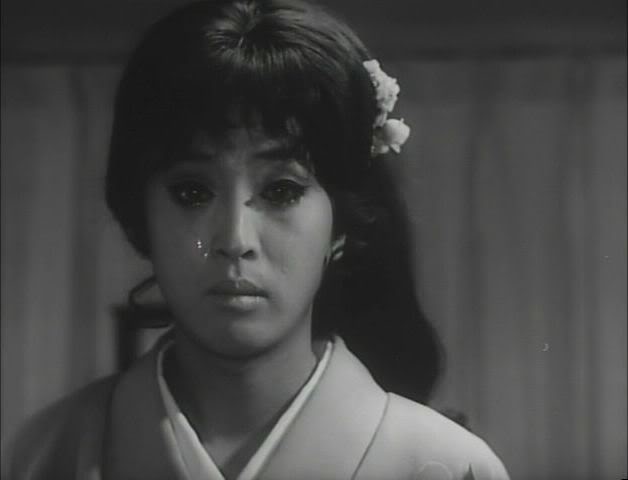
Can you go on without geting some kind of response?
You’re like sweet poison in me. / You’re in my mind and the time is the past. / The reason for my passion is you. / It’s too late for me now. / This hypnotic song takes me away. / Only your voice has the power to wake me up. / Where are you? / Will you let me go away?
No, you can’t.
*
– Do you like your role?
– A lot. But I’d prefer that Lida doesn’t commit suicide.
– What do you feel when you’re acting?
– I am never so much myself than when I am not myself.
*
Eddie walks amongst the graves holding a big white rose. Lida’s funeral. The wreath has white roses and a black ribbon.
When, O dusky beauty, you shall rest.³
– Look Eddie! The graves are sinking!
– I wish the whole country would sink.
– The ones that haven’t been washed away by the waters soak. They are all artificial, artificial flowers from the graves!
– I wish the whole country would sink.
THE END
NOTES1. Charles Baudelaire, “Spleen”, The Flowers of Evil
2. Yukio Mishima, “The temple of the Golden Pavillon”, 1956. Translated by Ivan Morris. Published by Alfred A. Knopf.
3. Charles Baudelaire, “Posthumous Remorse”, The Flowers of Evil.
Είμαι ένα παλιό μπουντουάρ με μαραμένα ρόδα.¹
– Δεν θα μ’ αφήσεις;
– Ποτέ.
– Θα μπορούσες να υποκριθείς ότι δεν λες ψέματα;
– Μη γίνεσαι ανόητη.
– Ποιά σ’ αρέσει περισσότερο, η Έντι ή εγώ;
– Εσύ, βέβαια.
– Θα δακρύσεις, άμα με δεις να κλαίω;
– Υπερβάλεις.
– Μη μ’ αφήσεις ποτέ.
Στο έλεος του μαύρου πάθους.
*
– Σ’ αρέσει να τραγουδάς;
– Πολύ. Όταν κρατάω το μικρόφωνο όλος ο κόσμος είναι δικός μου.
– Τι αισθάνεσαι όταν τραγουδάς;
– Είμαι ευτυχισμένη. Σαν να μεταφέρομαι σε άλλη διάσταση, σαν να ζω μια Κοσμική στιγμή.
– Θα μας τραγουδήσεις κάτι;
– Φυσικά.
Θα με πάρεις άλλη μία φορά αγγαλιά; / Έχουμε αρκετό χρόνο. / Θα κλείσω για λίγο τα μάτια. / Κράτα μου το χέρι σε παρακαλώ. / Ακούς; Εδώ η βροχή κάνει τόσο περίεργους ήχους. / Θα με πάρεις αγγαλιά μέχρι να κοιμηθώ; / Ναι, για πάντα μαζί. / Κράτα μου το χέρι σε παρακαλώ.
Τα ειδύλλια είναι το αντίθετο της παρακμής;
*
«η ομορφιά ποτέ δεν ολοκληρωνόταν σε μία μόνο λεπτομέρεια: γιατί κάθε λεπτομέρεια προμήνυε την ομορφιά της ακόλουθης λεπτομέρειας. Η ίδια η ομορφιά της μεμονωμένης λεπτομέρειας ήταν πάντα ανήσυχη. Ονειρευόταν την τελειότητα, αλλά δεν γνώριζε την ολοκλήρωση και την έθελγε ακατάπαυστα η επόμενη ομορφιά, η άγνωστη. Το προμήνυμα ομορφιάς που περιλαμβανόταν σε κάθε λεπτομέρεια συνδεόταν με το διάδοχο προμήνυμα ομορφιάς, κι έτσι τα διάφορα προμηνύματα μιας ομορφιάς η οποία δεν υπήρχε είχαν γίνει το βαθύτερο μοτίβο του Χρυσού Ναού. Αυτά τα προμηνύματα ήταν ενδείξεις ανυπαρξίας. Η ανυπαρξία αποτελούσε την ίδια τη δομή αυτής της ομορφιάς.»²
*
Στο διαμέρισμα της Λίντα. Φέρνει την τούρτα των γενεθλίων της. Την ακουμπάει στο τραπεζάκι του σαλονιού και τακτοποιεί. Η περούκα της είναι στολισμένη με άσπρα τριαντάφυλλα.
Η ενέργεια που υπάρχει μέσα στο όνειρο μέχρι να καταστραφεί.
– Καλώς ήλθες.
– Ξέρω τι έκανες.
– Δεν θέλω να σε χάσω.
– Μην κλαις. Όχι δάκρυα για μένα. «Καθρέφτη, καθρεφτάκι μου, ποιά είναι η ωραιότερη απ’ όλες;» Τι αστείο! Μεγαλώνεις.
– Είσαι σκληρός.
– Ο χρόνος σου τελείωσε.
– Έτσι απλά;
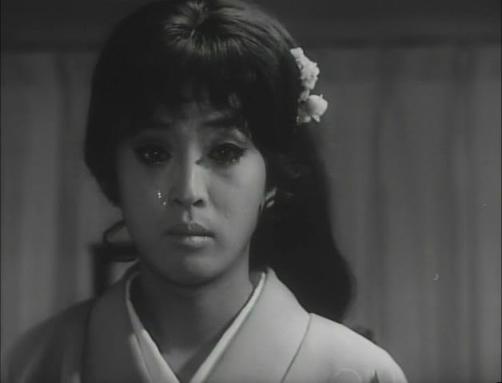
Μπορείς να συνεχίσεις χωρίς ανταπόκριση;
Είσαι σαν ένα γλυκό δηλητήριο μέσα μου. / Είσαι μέσα στο μυαλό μου κι ο χρόνος είναι το παρελθόν. / Αιτία όλου μου του πάθους είσαι εσύ. / Είναι πολύ αργά για μένα πια. / Αυτό το υπνωτικό τραγούδι με παίρνει μακριά. / Μόνο η φωνή σου έχει τη δύναμη να με ξυπνήσει. / Πού είσαι; / Θα μ’ αφήσεις να φύγω μακριά;
Όχι, δεν μπορείς.
*
– Σ’ αρέσει ο ρόλος σου;
– Πολύ. Αν και θα ήθελα να μην αυτοκτονήσει η Λίντα.
– Τι αισθάνεσαι όταν παίζεις;
– Ποτέ δεν είμαι τόσο πολύ ο εαυτός μου παρά όταν δεν είμαι ο εαυτός μου.
*
Η Έντι προχωράει ανάμεσα στους τάφους κρατώντας ένα μεγάλο λευκό τριαντάφυλλο. Η κηδεία της Λίντα. Το στεφάνι έχει άσπρα τριαντάφυλλα και μαύρη κορδέλα.
Όταν, ω σκοτεινή ομορφιά, κλειστά θα ‘χεις τα μάτια.³
– Έντι, κοίτα! Οι τάφοι βουλιάζουν!
– Εύχομαι να βουλιάξει όλη η χώρα.
– Όσα δεν παρασύρθηκαν απ’ τα νερά μουλιάζουν. Όλα είναι ψεύτικα, ψεύτικα λουλούδια από τους τάφους!
– Εύχομαι να βουλιάξει όλη η χώρα.
ΤΕΛΟΣ
ΣΗΜΕΙΩΣΕΙΣ
1. Σαρλ Μπωντλαίρ, LXXVI Spleen από τη συλλογή «Tα άνθη του κακού», 1861
2. Γιούκιο Μίσιμα, «Ο ναός του Χρυσού Περίπτερου», 1956.
3. Σαρλ Μπωντλαίρ, «Μεταθανάτια τύψη» από τη συλλογή «Tα άνθη του κακού», 1861.
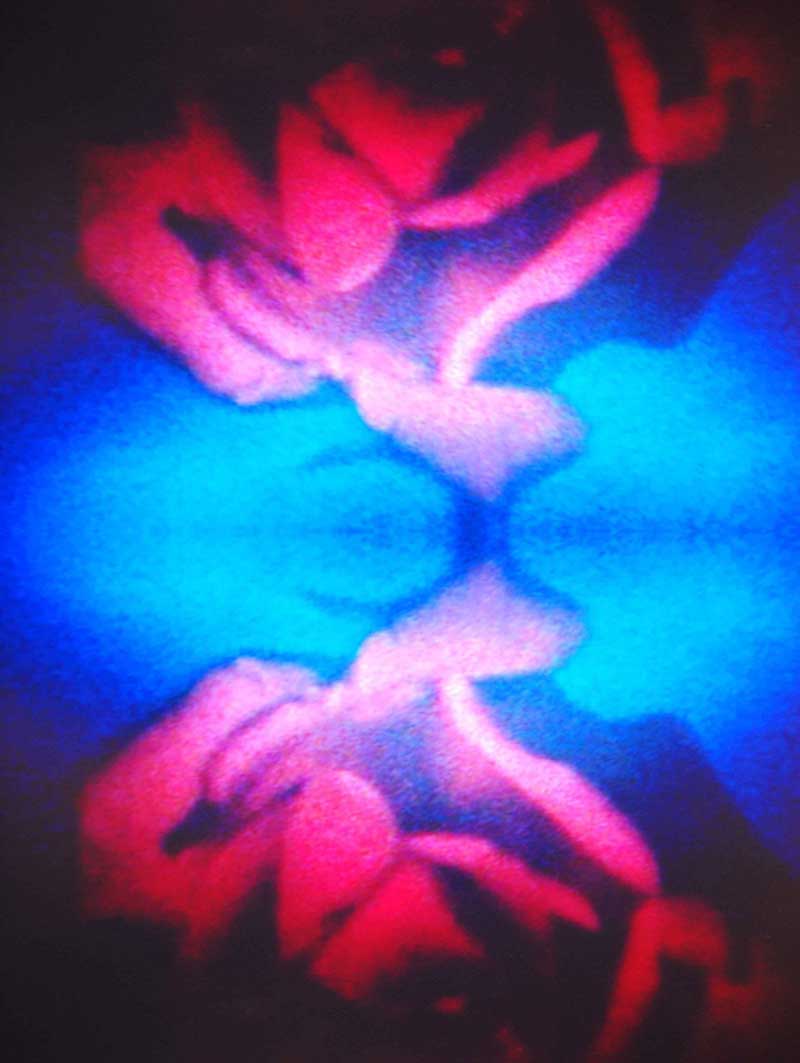
Ασύμβατες αντανακλάσεις
Νόμιζα ότι ήμουν εγώ,
η δική μου ατέλεια που
δεν έβρισκε την ακριβή της αντανάκλαση.
Κι ανακουφίστηκα όταν
η περίφημη τελειότητα του κόσμου
παρέμεινε ασύμβατη.
*
Unmatched Reflections
I thought it was me,
my imperfection
that couldn’t get its actual reflection.
I relieved however when
the world’s acclaimed perfection
remained unmatched.
…
λέξη σύνδεσμος: οφθαλμαπάτη / word-link: mirage
ΑΠΟ ΤΗΝ «ΑΠΟΣΥΝΘΕΣΗ» ΜΕΧΡΙ ΤΟ «ΣΤΟΙΧΕΙΩΔΕΣ»
ΟΚΤΩΒΡΙΟΣ -ΔΕΚΕΜΒΡΙΟΣ 2009
KEIMENΟ-ΠΗΓΗ: Κείμενο του Γουέιν Κέστενμπωμ με τίτλο «Το σχέδιο της ματαιοδοξίας». Δημοσιεύτηκε στο τεύχος Ιουλίου-Αυγούστου 2007 του περιοδικού Modern Painters.
ΠΕΡΙΕΧΟΜΕΝΑ:
• Η πρόζα «Το δέμα» της Δήμητρας Ιωάννου σε σύνδεση με την λέξη «αποσύνθεση»
• Τα ηχητικά έργα «Η απάντηση είναι πάντα όχι», «No-oh no ca va pas» της Ειρήνης Καραγιαννοπούλου σε σύνδεση με την λέξη «όχι»
• Το βίντεο «Άυλο» της Ειρήνης Καραγιαννοπούλου με μουσική του Γιάννη Σαξώνη σε σύνδεση με την λέξη «άυλο»
• Τα ηχητικά έργα «Είμαι αποτυχία», «Αποτυχία θα μπορούσε να είναι κάποιος τόσο ξεχωριστός», «Αποτυχία. Ποιοί εμείς;» της Ειρήνης Καραγιαννοπούλου σε σύνδεση με την λέξη «αποτυχία»
• Το ποίημα «Στοιχειώδες» της Άνγκελα Μίβις σε σύνδεση με την λέξη «στοιχειώδες»
∞
Ένας φανταστικός διάλογος ανάμεσα στη Μπριζίτ Μπαρντό και την Κάρεν Κιλίμνικ όπως τον σκηνοθέτησε ο ποιητής, κριτικός πολιτισμού και καθηγητής Wayne Koestenbaum [Γουέιν Κέστενπωμ]. Δημοσιεύτηκε στο τεύχος Ιουλίου-Αυγούστου 2007 του περιοδικού Modern Painters, και είναι ένα αριστούργημα προσποίησης με αναφορές στην ποπ κουλτούρα και στην τέχνη μέσα από το κουτσομπολιό, τα γλειφιτζούρια, τη μεταφορά, την περίφραξη.
∞
Στον κόσμο της Κάρεν Κιλίμνικ οι Ρώσοι δεν επαναστάτησαν ποτέ. Ούτε οι Γάλλοι. Αν και είναι γνωστή για τα σχέδια και το ζωγραφικό της έργο (πιο πρόσφατα και για τα μπαλέτα της), το αληθινό της μέσο και πιθανότατα ο λόγος ύπαρξής της (sic: raison d’ être) είναι η επίφαση: δεν την ενδιαφέρει η Πάρις Χίλτον αλλά η Πάρις Χίλτον ως Μαρία Αντουανέτα με την τεχνοτροπία του Σερ Χένρι Ρέιμπερν*. Oι Old Masters κατακερματίζονται και παρασύρονται από το ορμητικό απόθεμα της ποπ κουλτούρας, η φθηνή λάμψη από τη φυσική ομορφιά. Για να καταλάβεις το έργο της Κιλίμνικ τι καλύτερο από το να σκηνοθετήσεις ένα φανταστικό διάλογο ανάμεσα στην καλλιτέχνη κι ένα από τα θέματά της την Μπριζίτ Μπαρντό, όπως κάνει ο Γουέιν Κενστενμπώμ στις επόμενες σελίδες; Για την Κιλίμνικ το έργο είναι μια πολυσύνθετη παραγωγή όπου ο χρόνος και ο χώρος είναι άυλοι, το ροκοκό είναι πανκ ροκ και οι συλφίδες, τόσο του Χόλιγουντ όσο και του είδους με τις περούκες, έχουν απόλυτη εξουσία.
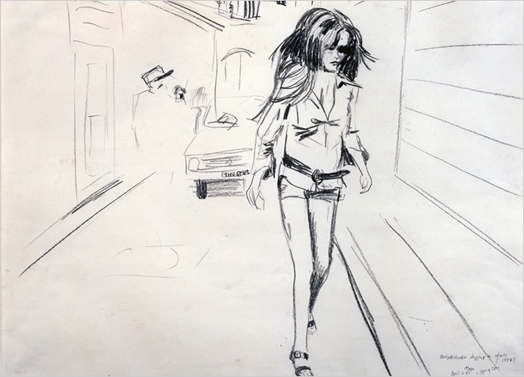
Brigitte Bardot: Σ’ ευχαριστώ για το σχέδιο του 1974*.
Karen Kilimnik: Η ευχαρίστηση είναι δική μου.
ΒΒ: Δεν είναι αστείο να σε παρενοχλεί ο Τύπος.
ΚΚ: Είναι απόδειξη ότι σε θέλουν.
ΒΒ: Θα ένιωθες διαφορετικά αν είχες αποκαλύψει διεθνώς το στήθος σου σε μικρή ηλικία.
ΚΚ: Το στριπτίζ είχε την ίδια γεύση με το σιρόπι για τον βήχα;
ΒΒ: Αισθάνθηκα σαν να στάζει μια κολλώδης ουσία στα πόδια μου.
ΚΚ: Είσαι ειδική στο να ξεπερνάς την αμηχανία σου και να την κάνεις τέχνη.
ΒΒ: Περίμενε. Δεν είμαι η σημαντικότερη διασημότητα του έργου σου. Ασχολήθηκες με την Ελίζαμπεθ Χάρλεϊ και τη Λίζα Στάινμπεργκ, το κορίτσι που δολοφονήθηκε. Σε τραβάνε τα θύματα.
ΚΚ: Μ’ αρέσει η διαθεσιμότητά τους στα τυχαία βλέμματα, στις συκοφαντίες.
ΒΒ: Ο Τύπος οικειοποιήθηκε το σώμα μου εύκολα, ήταν ένα είδος καταπάτησης, αλλά είμαι πολύ απασχολημένη για να κάνω μυνήσεις.
ΚΚ: Απασχολημένη με τι;
ΒΒ: Τα δικαιώματα των ζώων. Αντιδραστικούς σκοπούς.
ΚΚ: Αν είχα προβλέψει ότι θα ξέπεφτες σε αντιδραστικά ζητήματα, δεν θα σε είχα σχεδιάσει να ψωνίζεις με σορτς – μια καταπληκτική φωτογραφία του 1974* την οποία μετέτρεψα ονειρικά σε τέχνη.
ΒΒ: Γιατί δεν έβαλες χρώμα;
ΚΚ: Ήμουν στοιχειώδης. Ήθελα ν’ αποδώσω την επιθετική σου μυστικοπάθεια, την ομοιότητά σου μ’ ένα κυνηγημένο ελάφι.
ΒΒ: Οι σοφοί με υποτιμούν.
ΚΚ: Έχω κι εγώ τους επικριτές μου.
ΒΒ: Δεν μπορούμε να συμμαχίσουμε και να ξεφύγουμε από τους συκοφάντες;
ΚΚ: Αυτό είναι αδύνατο. Είμαστε μόνιμα εκτεθειμένες.
ΒΒ: Με σχεδίασες με σορτς αντί παντελόνι για να δείξεις ότι είμαι ευάλωτη;
ΚΚ: Δεν είχα μεταφορικές προθέσεις. Κυριολεκτούσα.
ΒΒ: Τώρα κλαις.
ΚΚ: Σκουπίδια σκορπισμένα στην περιφέρεια με συγκινούν μέχρι δακρύων.
ΒΒ: Γιατί με κάλεσες εδώ;
ΚΚ: Θαυμασμός. Περιέργεια. Βαρεμάρα. Το ότι δεν κυριολεκτείς με διασκεδάζει.
ΒΒ: Όσο πιο πολύ μένω τόσο πιο αλληγορική γίνομαι.
ΚΚ: Δεν σε θεωρώ ολοκληρωτικά ένα κατασκεύασμα των μήντια.
ΒΒ: Έχεις δεις τις ταινίες μου;
ΚΚ: «Viva Maria!». «Η περιφρόνηση». Δεν είσαι πια διάσημη στις ΗΠΑ. Είσαι στο περιθόριο.
ΒΒ: To ξεθωριασμένο αντίγραφο μιας διασημότητας;
ΚΚ: Είσαι σχεδόν αποτυχία.
ΒΒ: Η θέση της αποτυχίας μου είναι μια ζεστή περίφραξη, ένα μέρος που προσφέρεται για ξεκούραση κι ανασυγκρότηση.
ΚΚ: Με γοήτευσες γιατί ήσουν και αποτυχημένη και σταρ.
ΒΒ: Στο σχέδιό σου το σκάω από μια σκηνή εγκλήματος.
ΚΚ: Το έγκλημα της λάμψης σου. Το έγκλημα της προβολής σου.
ΒΒ: Το έγκλημα της αναγνωσιμότητάς μου.
ΚΚ: Αναγνωσιμότητας;
ΒΒ: Χρειάζεται να εξηγηθώ; Το σώμα μου είναι πολύ αποκαλυπτικό για να το εκθέσουν οι λέξεις.
ΚΚ: Σε διαβάζουμε όπως τις Δέκα Εντολές, αιώνιες πλάκες που μπορούμε να ερμηνεύσουμε κατά βούληση.
ΒΒ: Δεν είμαι ευέλικτη. Αντίθετα από τον νόμο είμαι σαφής.
ΚΚ: Λέμε μονολογική.
ΒΒ: Ποιοί εμείς;
ΚΚ: Η βιομηχανία της κουλτούρας.
ΒΒ: Προσπαθείς να οικειοποιηθείς τη φήμη μου για να φτιάξεις το δικό σου αυτοπορτρέτο.
ΚΚ: Σαν θεατές ξέρουμε πώς κινείσαι και πώς φιλάς και πώς περιφρονείς, αλλά δεν ξέρουμε πολλά για τον σκύλο σου.
ΒΒ: Μπορούμε να μιλήσουμε για το κουτσομπολιό;
ΚΚ: Διαδίδεται, είναι αναξιόπιστο, είναι υποτιμημένο, πληγώνει κόσμο, είναι λιπαρό.
ΒΒ: Αποτρέπει τη συνειδητοποίηση;
ΚΚ: Δεν μας τρέφει ΒΒ, αλλά η αγάπη μας γι’ αυτή την έλλειψη τροφής μεγαλώνει. Η απεικόνιση μη θρεπτικών ουσιών είναι από μόνη της μια φτωχή αν και δυναμωτική διατροφή.
ΒΒ: Η εικόνα μου σε έθρεψε.
ΚΚ: Θα μπορούσα να τη γλείψω σαν γλειφιτζούρι.
ΒΒ: Αυτό είναι φαλλικό.
ΚΚ: Όχι πραγματικά. Τα γλειφιτζούρια εξαφανίζονται.
ΒΒ: Ο κόσμος αντιμετωπίζει τον φαλλό σαν να ήταν εξάρτημα.
ΚΚ: Είναι άυλος.
ΒΒ: Όπως η παρουσία μου στο σχέδιό σου.
ΚΚ: Προσπαθείς να βγεις από το πλαίσιο.
ΒΒ: Δεν ανήκω στο μυαλό σου. Το σκάω.
ΚΚ: Σαν να τελείωσε η ποινή φυλάκισής σου στη φανταστική μου ζωή.
ΒΒ: Ν’ αναφέρω ότι δεν έχεις ολοκληρώσει το σχέδιο του οδηγού της λιμουζίνας μου. Η φιγούρα του είναι ελλειπτική για να με πιάσει.
ΚΚ: Είμαι περιέργη ποια είναι η διαφορά ανάμεσα στο 1974 που σε φωτογράφισαν να ψωνίζεις με σορτς και το 1985 που σε σχεδίασα να ψωνίζεις με σορτς.
ΒΒ: Αυτό το πέρασμα των έντεκα χρόνων κάθεται στο δωμάτιο ανάμεσά μας σαν ένας λευκός ελέφαντας (σημ. μτφρ.: έκφραση που σημαίνει «κάτι περιττό»).
ΚΚ: Βρίσκεται εδώ σαν ένας κακόγουστος παράγοντας αποξένωσης, όπως η αγένεια ή ένα λάθος βήμα (sic: faux pas) ή μια άσχημη μυρωδιά.
ΒΒ: Η διαφορά μεταξύ 1974 και 1985 είναι ένα παγόβουνο που δεν θα λιώσει ποτέ.
ΚΚ: Κι έτσι μπορούμε να το παρατηρούμε και να το γλείφουμε όπως το γλειφιτζούρι που ανέφερα πριν.
ΒΒ: Είναι μια τεράστια, παρηγορητική παρουσία, κρύα στο άγγιγμα και καταστροφική για τα νεύρα.
ΚΚ: H διαφορά μεταξύ 1974 και 1985 είναι αφηρημένη και μαζί αισθητή κι αποκρουστική όπως μια λάθος απόφαση που παίρνει η διοίκηση μιας μεγαλούπολης.
ΒΒ: Όπως της Νίκαιας ή της Μασαλίας όταν οι διοικήσεις τους κακοδιαχειρίζονται τις ζώνες;
ΚΚ: Το σχίσμα ανάμεσα στις δεκαετίες είναι ένα τρομερό φορτίο.
ΒΒ: Το σχέδιό που έκανες είναι πολιτικό;
ΚΚ: Προσπαθείς να με κατευνάσεις χρησιμοποιώντας τη λέξη «πολιτικό».
ΒΒ: Το κουτσομπολιό δεν είναι πολιτικό; Το ότι κουτσομπολεύουμε τις ζωές μας, το σχέδιο μου, τα ψώνια μου, την αναποφασιστικότητά σου;
ΚΚ: Δεν ορίσαμε το «κουτσομπολιό».
ΒΒ: Αρκεί που χρησιμοποιούμε τη λέξη. Η ανάλυση μπορεί να γίνει σιωπηλά πίσω από τις λέξεις.
ΚΚ: Είσαι πιο διάσημη από εμένα.
ΒΒ: Αυξανόμενη έλλειψη ισορροπίας.
ΚΚ: Σε σχεδίασα για να μπορέσω να κατοικίσω μέσα στην ανισότητα.
ΒΒ: Άρχισες πάλι με το γλειφιτζούρι σου.
ΚΚ: Το γλειφιτζούρι μου;
ΒΒ: Βρίσκεις πάντα διάκενα και σχίσματα και τα μεταχειρίζεσαι σαν σουίτες πολυτελείας. Συμπεριφέρεσαι σαν μια τρύπα ή μια απορία να ήταν επιπλωμένες, άνετες και περιφραγμένες -μια πραγματική σπηλιά.
ΚΚ: Είναι αλήθεια. Με νοιάζει η πολυτέλεια.
ΒΒ: Κι ο πάγος.
ΚΚ: Ναι. Μ’ αρέσουν οι πιο κρύες περιοχές της σκέψης και των αισθήσεων.
ΒΒ: Δεν φοβάσαι μην ξεπαγιάσεις μέχρι θανάτου;
ΚΚ: Νιώθω άνετα στα μεγάλα διαστήματα πάγου.
ΒΒ: Γι’ αυτό δεν βάζεις περισσότερο «αίσθημα» στο έργο σου;
ΚΚ: Τα ψάρια που πήρα από την αγορά είναι ασφαλή στον πάγο. Δεν χρειάζεται ν’ ανησυχώ μήπως χαλάσουν.
ΒΒ: Τα ψάρια στη συγκεκριμένη περίπτωση είναι τα «συναισθήματά» σου;
ΚΚ: Ακριβώς. Δεν φοβόμαστε την αποσύνθεση.
ΒΒ: Τώρα μιλάμε για ψάρια. Πριν μιλούσαμε για γλειφιτζούρια.
ΚΚ: Πρέπει να ρωτήσω. Τι ψώνιζες σ’ εκείνη την φωτογραφία του 1974;
ΒΒ: Ό,τι ψώνιζα στο σχέδιο που έκανες το 1985. Ό,τι ψωνίζω τώρα.
ΚΚ: Το βρήκες;
ΒΒ: Όχι στο νούμερό μου.
ΚΚ: Έχεις σκοπό να το βρεις;
ΒΒ: Όχι.
ΚΚ: Τότε γιατί ψωνίζεις ακόμα;
ΒΒ: Έχω ανάγκη να διατηρήσω ζωντανή την αναζήτηση.
ΚΚ: Έτσι μένουν απασχολημένοι στη Βαλχάλα* οι σφαγιασμένοι.
ΒΒ: Κουτσομπολεύουν.
ΚΚ: Οι ασυναρτησίες των συζητήσεων τρέφουν.
ΒΒ: Είναι ερωτικές.
ΚΚ: Μια αργή, περιπαιχτική διαδικασία.
ΒΒ: Έγραψες 2 ΜΜ στο σχέδιο. Στις 2 ΜΜ το τελείωσες;
ΚΚ: Ήθελα να σημειώσω τη στιγμή.
ΒΒ: Τώρα δεν θυμάσαι ποια στιγμή ήθελες να σημειώσεις.
ΚΚ: Σημασία έχει ότι τη σημείωσα.
ΒΒ: Με το χαρακτηριστικό σου σημάδι.
ΚΚ: Το σημάδι μου είναι σκόπιμα γενικό.
ΒΒ: Όπως το δικό μου. Αλλά όπως ανέφερες πριν για το γλειφιτζούρι σου και τα διαστήματα πάγου, ανακαλύπτουμε ότι η γενικότητα είναι μια άνετη κατοικία.
ΚΚ: Σωστή παρατήρηση.
ΒΒ: Ξεθεώθηκα. Ας κλείσουμε το μαγνητόφωνο.
ΚΚ: Αν δεν μας αρέσει η συζήτηση μπορούσε να ξαναρχίσουμε, και να μαγνητοφωνήσουμε τη νέα συζήτηση πάνω από την προηγούμενη.
ΒΒ: Ίχνη της πρώτης συζήτησης μπορεί ν’ ακούγονται κάτω από τη δεύτερη.
ΚΚ: Παλίμψηστο. Δύο επάλληλες συζητήσεις.
ΒΒ: Όπως το 1974 και το 1985.
ΚΚ: Δύο διαφορετικοί ραδιοφωνικοί σταθμοί που αναγγέλλουν το ίδιο έγκλημα.
ΒΒ: Η ομοιότητα είναι παρηγορητική όπως το γλειφιτζούρι σου.
ΚΚ: Επίσης δημιουργεί σύγχυση.
ΒΒ: Είμαι διάσημη για το στήθος μου, εσύ είσαι για το «χέρι» σου.
ΚΚ: Ζούμε σε μια εποχή που υποτιμά το χέρι.
ΒΒ: Η εποχή μας υποτιμά το στήθος;
ΚΚ: Όχι. Το στήθος εκτιμάται ακόμα.
ΒΒ: Είχαμε σκοπό να κλείσουμε το μαγνητόφωνο, αλλά παρασυρθήκαμε στο να παρηγορεί η μία την άλλη.
ΚΚ: Δεν βρίσκω την παρουσία σου εδώ ιδιαίτερα παρηγορητική.
ΒΒ: Ο Ροζέ Βαντίμ μου έμαθε ότι είναι καλύτερα να προκαλείς από το να παρηγορείς.
ΚΚ: Είχε άδικο.
ΒΒ: Έχω κολλήσει στην πρόκληση. Είναι η μοναδική μου τακτική.
ΚΚ: Κι εγώ έχω κολλήσει στην παρηγοριά.
ΒΒ: Κάνουμε κύκλους πάλι. Και δεν έχουμε ορίσει τη διαφορά μεταξύ πρόκλησης και παρηγοριάς.
ΚΚ: Δεν είμαστε υποχρεωμένες να βρούμε τη φύση της τέχνης.
ΒΒ: Διαφωνώ με την παθητικότητά σου μπροστά στα μεγάλα ζητήματα της αισθητικής.
ΚΚ: Η αδράνειά μου είναι πόζα.
ΒΒ: Όπως τα ψώνια μου;
ΚΚ: Πες μου, στη φωτογραφία του 1974 πραγματικά ψώνιζες;
ΒΒ: «Ψώνια» ήταν η δική σου λέξη. Ήταν ο όρος που χρησιμοποίησες για την περίπτωσή μου.
ΚΚ: Αλήθεια, εγώ επέβαλλα αυτή την ιδέα.
ΒΒ: Υποκρινόμαστε ότι κυνηγάμε την εικόνα, ενώ στην πραγματικότητα είμαστε πλάσματα της λέξης.
ΚΚ: Κι όμως είναι η εμφανής ομορφιά που σ’ έκανε διάσημη, όχι η γλώσσα.
ΒΒ: Δεν χρειάζεται να μοιράζουμε τ’ αγαθά του κόσμου σε δύο καλάθια, σε Γλώσσα και Ομορφιά.
ΚΚ: Άρα ψώνιζες ομορφιά;
ΒΒ: Όχι. Ψώνιζα γλώσσα. Το καλάθι μου ήταν ήδη γεμάτο ομορφιά.
ΚΚ: Κι εγώ σου έδωσα τη γλώσσα;
ΒΒ: Όχι, μου έδωσες περισσότερη ομορφιά.
ΚΚ: Και γι’ αυτό ήρθες να μου μιλήσεις σήμερα.
ΒΒ: Για να βγάλω λίγη γλώσσα από μέσα σου.
ΚΚ: Να με αναγκάσεις να σ’ αποζημιώσω με γλώσσα μετά από παρατεταμένη στέρηση.
ΒΒ: Η γλώσσα είναι το γλειφιτζούρι που ανέφερες νωρίτερα.
ΚΚ: Το μεγάλο μεσοδιάστημα πάγου;
ΒΒ: Κι η ομορφιά είναι το καμινέτο που το κάνει να λιώσει.
ΚΚ: Δεν έγραψα σωστά τη λέξη «galerie» στο σχέδιο σου. Έγραψα «GALERE»*.
ΒΒ: Προσπαθούσες να απωθήσεις τη σκέψη των γκαλερί;
ΚΚ: Ήθελα να σβύσω την πίστη μου στην εικόνα σου. Ήθελα να ξεκοιλιάσω κάθε δέσμευση στην τέχνη, κάθε υποχρέωση στη γλώσσα.
ΒΒ: Είμαι ενάντια στο ξεκοίλιασμα, όταν εφαρμόζεται σε απροστάτευτα ζώα.
ΚΚ: Σ’ αυτό το σχέδιο δε σκόπευα να κάνω ένα πραγματικό ξεκοίλιασμα – ήταν μεταφορικό.
ΒΒ: Πριν ισχυριζόσουν ότι είσαι ακριβής.
ΚΚ: Ναι; Ήμουν απλά παραστατική.
ΒΒ: Είμαι κι εγώ απίστευτα παραστατική.
ΚΚ: Πες μου περισσότερα για το καμινέτο που κάνει τη γλώσσα να λιώνει.
ΜΕΤΑΦΡΑΣΗ: Δήμητρα Ιωάννου
ΣΗΜΕΙΩΣΕΙΣ του A Glimpse of
FROM THE “ROT” TO THE “ELEMENTAL”
OCTOBER-DECEMBER 2009
SOURCE TEXT: Wayne Koestenbaum’s article Vanity Project for Modern Painters magazine. It appeared in the July-August 2007 issue.
CONTENTS:
• The prose text Parcel by Dimitra Ioannou is linked to the word “rot”
• The sound piece The answer is always no by Irini Karayannopoulou is linked to the word “no”
• The sound piece Oh no ca va pas by Irini Karayannopoulou is linked to the word “no”
• The video Immaterial by Irini Karayannopoulou with music by Yannis Saxonis is linked to the word “immaterial”
• The sound piece I’m a washout by Irini Karayannopoulou is linked to the word “washout”
• The sound piece Washout could be someone so special by Irini Karayannopoulou is linked to the word “washout”
• The sound piece Washout. Who’s we? by Irini Karayannopoulou is linked to the word “washout”
• The poem Elemental by Angela Mewes is linked to the word “elemental”
∞
aglimpseof 01’s source-text is The Vanity Project, a fictional dialogue between Brigitte Bardot and Karen Kilimnik staged by the poet, cultural critic and professor Wayne Koestenbaum. It appeared in the July-August 2007 issue of Modern Painters Magazine, and it is a masterpiece of simulation with references to pop culture and art via gossip, Popsicles, enclosure, metaphor.
∞
In the world of Karen Kilimnik, the Russians never revolted. Nor did the French. She may be known for her drawings and paintings (and more recently, ballets), but simulacrum is her true medium, and possibly raison d’ être: it’s not Paris Hilton she’s after, but Paris Hilton as Marie Antoinette by way of Sir Henry Raeburn*. Old Masters burst and wash into the tidal pool of pop culture, trashy glamour into natural beauty. How better to understand Kilimnik’s work than to stage a fictional dialogue between the artist and one of her subjects, Brigitte Bardot, as Wayne Koestenbaum does on the following pages? For Kilimnik’ oeuvre is one elaborate staging, in which time and place are immaterial, rococo is punk rock, and sylphs, of both Hollywood and the winged variety, have free reign.
BRIGITTE BARDOT: Thanks for drawing me in 1974*.
KAREN KILIMNIK: A pleasure.
BB: Being harassed by the press is no picnic.
KK: It proves you’re wanted.
BB: You’d feel differently if you’d shown your breasts internationally at a too young age.
KK: Did striptease taste like cough syrup?
BB: It felt like a sticky substance dripping down my legs.
KK: You’re expert at fording your own embarrassment and turning it into art.
BB: Wait. I’m not the most important star in your oeuvre. You’ve paid attention to Elizabeth Hurley – and to Lisa Steinberg, the murdered girl. Victims attract you.
KK: I like their availability to the casual gaze, to slander.
BB: The press’s easy appropriation of my body was a form of trespass, but I’m too busy to sue.
KK: Busy with what?
BB: Animal rights. Reactionary causes.
KK: Had I predicted your descent into things reactionary, I’d not have drawn you shopping in shorts, a great photo from 1974 that I dreamily turned into art.
BB: Why didn’t you apply color?
KK: I was feeling elemental. I wanted to capture your aggressive furtiveness, your likeness to a hunted doe.
BB: Pundits disparage me.
KK: I have detractors, too.
BB: Can we band together and find shelter from slanderers?
KK: That’s impossible. We’re permanently exposed.
BB: Did you picture me in shorts, rather than long pants, to signify vulnerability?
KK: I had no metaphorical intentions. I’m a literalist.
BB: You’re crying now.
KK: Junk scattered in the periphery moves me to tears.
BB: Why did you invite me here?
KK: Admiration. Curiosity. Boredom. Your literalness diverts me.
BB: The longer I stay here, the more allegorical I become.
KK: I don’t consider you merely a media figment.
BB: Have you seen my films?
KK: Viva Maria! Contempt. You’re no longer famous in the US. You’re an outsider.
BB: A pale copy of a famous person?
KK: You’re almost a washout.
BB: My washout status is itself a warm enclosure, a place I find restful and rehabilitating.
KK: I was attracted to you because you were equally a washout and a star.
BB: In your drawing, I’m fleeing a crime scene.
KK: The crime of your splendor. The crime of your visibility.
BB: The crime of my readability.
KK: Readability?
BB: Must I explain? My body is so legible, there’s nothing left for words to expose.
KK: You’re as readable as the Ten Commandments, permanent tablets we can interpret as we choose.
BB: I’m not flexible. Unlike a law, I’m single-minded.
KK: We say monologic.
BB: Who’s we?
KK: The culture industry.
BB: You’re trying to borrow my estimableness to create your own self-portrait.
KK: We know as viewers, how you move, and how you kiss, and how you despise, but we don’t know much about your pet dog.
BB: Can we talk about gossip?
KK: It travels, it’s unreliable, it’s devalued, it hurts people, it’s fatty.
BB: It clogs consciousness?
KK: It doesn’t nourish us, BB, but we grow to love that lack of nourishment. The depiction of nonnourishing substances is itself a meager though sustaining diet.
BB: My image nourished you.
KK: I could suck on it, like a Popsicle.
BB: That’s phallic.
KK: Not really. Popsicles disappear.
BB: People treat the phallus as if it were a fixture.
KK: It’s immaterial.
BB: Like my presence in your drawing.
KK: You’re trying to exit the frame.
BB: I don’t belong in your mind. I’m running away.
KK: As if your prison sentence inside my fantasy life were ending.
BB: Notice that my limo driver is incompletely rendered. He’s not fully-figured enough to nab me.
KK: I’m curious about the difference between 1974, when you were photographed shopping in shorts, and 1985, when I made the drawing of you shopping in shorts.
BB: That 11-year lapse of time between 1974 and 1985 – it sits in the room between us like a white elephant.
KK: It sits there like a lumpy alienation factor, like rudeness or a faux pas or a bad smell.
BB: The difference between 1974 and 1985 is an iceberg that will never thaw.
KK: And so we can observe it, suck on it, like that Popsicle I mentioned earlier.
BB: It ‘s a huge, consoling presence, cold to the touch, and damaging to the nerves.
KK: It’s abstract -the difference between 1974 and 1985- but it’s also palpable and repulsive, like a wrong turn a big city’s administration takes.
BB: Like Nice, or Marseille, when their governments mismanage zoning?
KK: The schism between decades is a dreary weight.
BB: Is your drawing political?
KK: You’re trying to placate me by using the word “political.”
BB: Isn’t gossip political? Kibitzing about our lives, your drawing, my shopping, your ambivalence?
KK: We haven’t defined “gossip”.
BB: Using the word is enough. Analysis can happen silently, between the lines.
KK: You’re more famous than I.
BB: An arousing imbalance.
KK: I drew you so that I could dwell inside disparity.
BB: There you go again with your Popsicle.
KK: Popsicle?
BB: You’re always finding gaps and schisms, and treating them like luxury suites. You act as if a hole or an aporia were furnished, comfy, and enclosing- a veritable alcove.
KK: It’s true. I care about plushness.
BB: And ice.
KK: Yes. I like the colder regions of thought and feeling.
BB: You’re not afraid of freezing to death?
KK: I’m comfortable with long interludes of ice.
BB: And that’s why you don’t put more “feeling” into your work?
KK: The fish I bought at the market is safely on ice; I needn’t worry about spoilage.
BB: The fish, in this case, is your “feelings”?
KK: Right. We’re not afraid of rot.
BB: Now we’re talking about fish. Before we were talking about Popsicles.
KK: I must ask. What were you shopping for in that 1974 photo?
BB: The same thing I was shopping for in your 1985 drawing. The same thing I’m shopping for now.
KK: Did you find it?
BB: Not in my size.
KK: Do you plan to find it?
BB: No.
KK: Then why do you keep shopping for it?
BB: I need to keep alive the quest.
KK: That’s how the slain stay busy in Valhalla*.
BB: They gossip.
KK: Conversational rambles nourish.
BB: They’re erotic.
KK: A slow, teasing process.
BB: You wrote 2 PM on the drawing. Was 2 PM when you finished it?
KK: I wanted to mark the moment.
BB: Now you can’t remember what moment you were marking.
KK: What matters is that I marked it.
BB: With your individual mark.
KK: My mark is deliberately generic.
BB: As is mine. But, as you mentioned earlier with your Popsicle and your interlude of ice, we find the generic to be a cozy habitat.
KK: Duly noted.
BB: I’m pooped. Let’s shut off the tape recorder.
KK: If we don’t like this conversation, we can start all over again, and record a new conversation on top of the old one.
BB: Traces of the first conversation might be audible through the warp and woof of the second.
KK: A palimpsest. Two overlapping conversations.
BB: Like 1974 and 1985.
KK: Two different radio stations announcing the same crime.
BB: The sameness, like your Popsicle, is consoling.
KK: Confusing, too.
BB: I’m famous for breasts, you for “hand.”
KK: We live in an age that devalues the hand.
BB: Does our era devalue breasts?
KK: No. Breasts are still prized.
BB: We meant to shut off the tape recorder, but then we fell back into this trance of mutual consolation.
KK: Your presence, here, I find nebulously consoling.
BB: Roger Vadim taught me that arousal was more important than consolation.
KK: He was wrong.
BB: I’m stuck with arousal. It’s my only ploy.
KK: And I’m stuck with consolation.
BB: We’re traveling in circles again. And we haven’t defined the difference between arousal and consolation.
KK: We’re not required to figure out the nature of art.
BB: I take issue with your passivity in the face of large aesthetic questions.
KK: My sloth is a pose.
BB: Like my shopping?
KK: Tell me: in that 1974 photo, were you really shopping?
BB: “Shopping” was your word. It was the term you applied to my situation.
KK: Indeed, it was the concept I imposed.
BB: We pretend to pursue the visual, but really we are creatures of the word.
KK: And yet it is visual beauty, not language, that brought you fame.
BB: We needn’t divide the goods of the world into two shopping carts, Language and Beauty.
KK: So you were shopping for beauty?
BB: No. I was shopping for language. My cart was already filled with beauty.
KK: And did I give you language?
BB: No. You gave me more beauty.
KK: And that’s why you came to speak to me today.
BB: To wrest some language out of you.
KK: To force me to reward you with language, after extended deprivation.
BB: Language is the Popsicle you mentioned earlier.
KK: The long interlude of ice?
BB: And beauty is the blowtorch that causes it to melt.
KK: I mispelled galerie in my drawing of you. I wrote GALERE*.
BB: Were you trying to repress the thought of art galleries?
KK: I wanted to cancel my loyalty to your image. I wanted to eviscerate commitments to art, to tasks, to language.
BB: Evisceration is what I’m against, when it applies to helpless animals.
KK: The evisceration I sought, in this drawing, was not bloody or actual. It was metaphorical.
BB: Earlier you claimed to be a literalist.
KK: Did I? I was just being figurative.
BB: I’m incredibly figurative myself.
KK: Tell me more about the blowtorch that causes language to melt.
A Glimpse of’ s NOTESSOURCE: Modern Painters (July-August 2007)


 aglimpseof.net